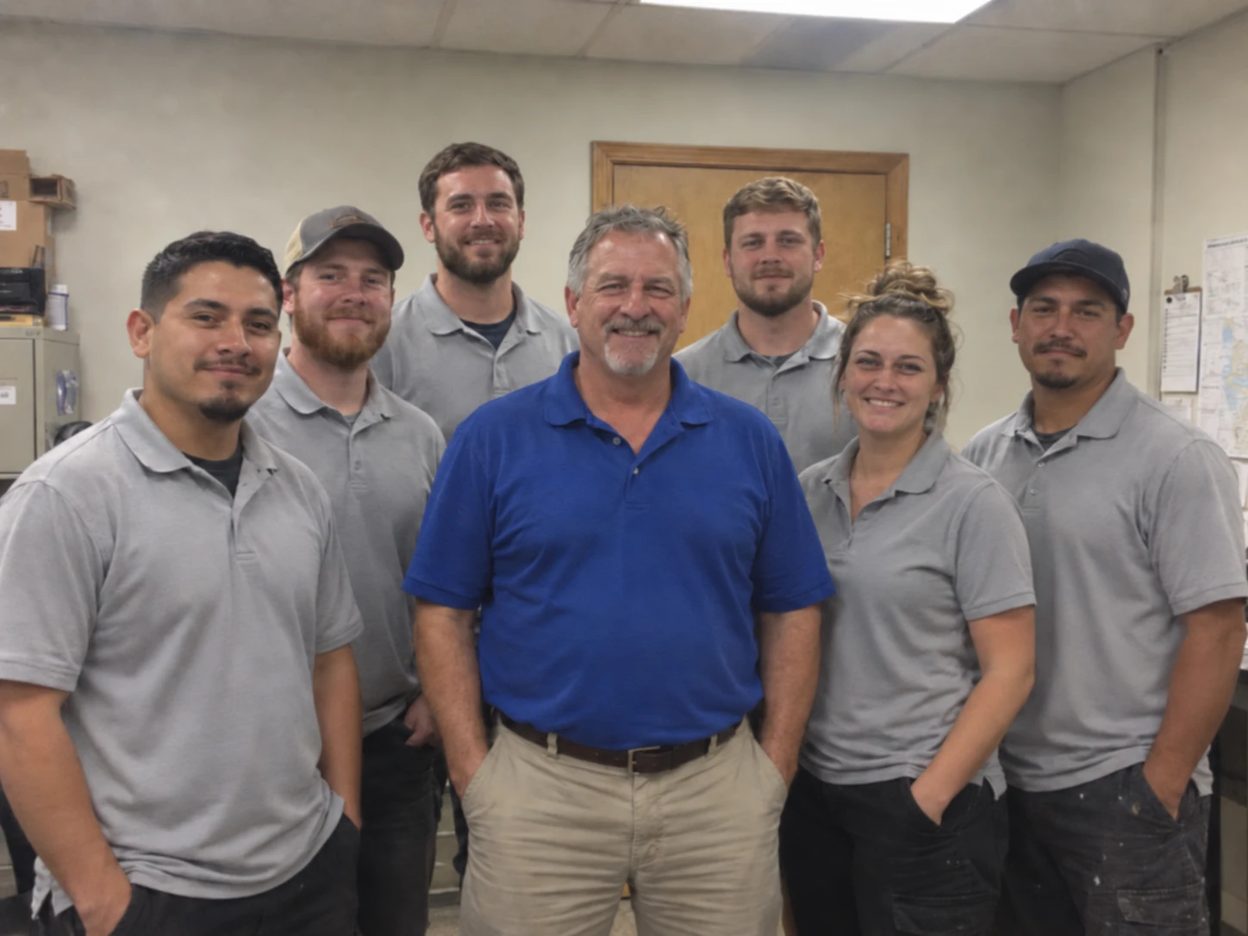
Where do most HVAC installations go wrong? Usually before the first wrench turns, when someone matches the new tonnage to the old nameplate and skips the math. At Honolulu HVAC, the math comes first. We build a load calculation for your Honolulu, HI home from its square footage, insulation levels, windows, orientation, and air leakage, because sizing errors in either direction cost comfort and money every day the system runs. From there the job becomes three connected pieces of work: equipment matched to the load, ductwork able to deliver what that equipment produces, and a commissioning process that proves the result on the meter instead of on paper.
Equipment selection follows the load, and matching matters more than most homeowners are told. The indoor coil, outdoor unit, and blower are rated as matched combinations, and mismatched pairings surrender the SEER2 and AFUE numbers on the sticker. We walk you through the real trade-offs between single-stage, two-stage, and variable-speed equipment, blower options, and pairings with a furnace, air handler, or heat pump, in plain language and without pressure. Then the ductwork gets the attention it almost never receives: our experienced technicians measure static pressure, hunt down leaky and undersized runs, and correct the chokepoints while the system is open, because a duct system that fights the equipment defeats it.
The final stretch is where a careful installer and a fast one look nothing alike. Our technicians pressure-test and evacuate the line set to a micron-verified vacuum, weigh in the charge and prove it with superheat and subcooling readings, leak-test the gas side, vent to the manufacturer's spec, and trap the condensate with float-switch protection. The thermostat gets configured for your equipment's real staging rather than left on defaults. Then comes full commissioning: temperature split, temperature rise, amp draws, and static pressure, all recorded and explained to you before we haul the old system away. Call (808) 374-9781 to book an assessment for your Honolulu home and get a clear, firm quote.
Most of our service calls are for AC Repair in Honolulu and Furnace Repair in Honolulu. That's the place to start if you need a fix today.
Signs You Need HVAC Installation in Honolulu
The sooner you notice these red flags, the easier and cheaper the problem is to resolve. Keep an eye out for the following clues that it's time to bring in an expert:
- The system still runs phased-out R-22 refrigerant
- Short, frequent cooling cycles that leave the house clammy
- Paying more every month for a house that feels worse
- You are renovating or adding space and the old system cannot carry it
- Your heating and cooling equipment is past the twelve-to-fifteen-year mark
- Major components failing on both sides: compressor one year, exchanger the next
- Hot or cold rooms that no vent adjustment can fix
- Equipment loud enough to hear over conversation
Act Before It Gets Worse
Most HVAC failures start small, a weak capacitor, a squealing blower, a system that runs a little longer each week. Call Honolulu HVAC at (808) 374-9781 at the first sign of trouble.
HVAC Installation Issues? We Can Help.
Call Honolulu HVAC for fast, reliable service.
Get Help: (808) 374-9781Frequently Asked Questions About HVAC Installation
Why Professional HVAC Installation Matters
Most installation mistakes stay hidden on the day the system starts. Skip the vacuum verification and moisture stays in the refrigerant loop, where it slowly forms acid. Set the charge by feel and efficiency drains away without anyone noticing. Pair a coil and condenser that were never rated together and the sticker numbers become impossible to reach. Leave the duct restrictions in place and the blower spends the next fifteen years straining against static pressure it was not built for. On top of that, refrigerant handling is federally regulated, and a gas or venting error is a safety issue, not just a comfort one.
Our experienced technicians treat installation as a chain of verifications, not a list of tasks. The load calculation proves the size. Matched equipment makes the rating reachable. A pressure test and a micron-gauge vacuum prove the circuit is tight and dry, while a weighed charge checked against superheat and subcooling proves the refrigerant side. On the heating side, gas lines are leak-tested, draft is verified, and blower speed is set to hold the rated temperature rise. Finally, commissioning puts the numbers on paper, so every future service visit has something to check against. That documentation is standard on every system we install in Honolulu.
What to Expect From Our HVAC Installation
We work through a clear, repeatable process so nothing gets overlooked on your property. Here's exactly how the HVAC installation process unfolds:
Load Calculation & Duct Evaluation
Your Honolulu home gets measured first: heating and cooling loads calculated from the house itself, and the ducts tested for static pressure, leaks, and restrictions.
Equipment Options & Upfront Pricing
We propose matched equipment combinations at honest good-better-best tiers, explain staging and efficiency trade-offs plainly, and give a firm installed price up front.
Careful, Verified Installation
Installation day follows a verified checklist: tested line set, measured vacuum, weighed charge, leak-checked gas, venting to manufacturer spec, a trapped and protected drain, and duct corrections where needed.
Performance Testing & Walkthrough
Before the old equipment leaves, we record temperature split, temperature rise, amp draws, static pressure, and charge readings, set the thermostat for your staging, and show you how it all works.
Questions About HVAC Installation?
Our experienced technicians can assess your situation and recommend the best solution.
Call (808) 374-9781 NowMaintenance Tips for HVAC Installation
Taking preventive measures can help you avoid costly heating and cooling problems down the road. Put these technician-approved steps to work around your property:
- Keep the startup readings on file, since they speed up every future diagnosis
- Flush the drain line before summer to keep algae from clogging it
- Start a regular filter schedule right away, since steady airflow protects the coil and the heat exchanger
- Book professional maintenance twice a year, spring for cooling and fall for heating
- Address small noises and performance drifts early, while they are still small
- Give the outdoor unit clear space on every side and a gentle rinse each season
- Keep supply and return vents open to preserve the airflow balance set at commissioning
DIY vs. Professional HVAC Installation
Some simple checks are suitable for DIY, but most heating and cooling repairs benefit from professional tools, training, and experience. Consider the following comparison:
| Factor | DIY Attempt | Professional Service |
|---|---|---|
| Sizing | Tonnage copied from the old unit | Capacity matched to measured heat loss and gain |
| Matching | Whatever coil fits, efficiency forfeited | Rated coil and condenser pairings |
| Refrigerant Work | No vacuum, no scale, no gauges | Micron-gauge vacuum and weighed charge |
| Ductwork | Old duct problems left in place | Ducts tested and chokepoints corrected |
| Gas & Venting | Gas joints and venting left unchecked | Leak-tested, vented to spec, draft proven |
| Startup & Testing | No readings, no baseline | Performance recorded as a service baseline |
Get HVAC Installation Help Today
The sooner you call, the sooner your comfort is back. Reach Honolulu HVAC for fast service.
Call (808) 374-9781 TodayHVAC Installation Near Honolulu
Our technicians handle HVAC installation throughout Honolulu and the surrounding communities, with the same upfront pricing everywhere we work.